Opinion
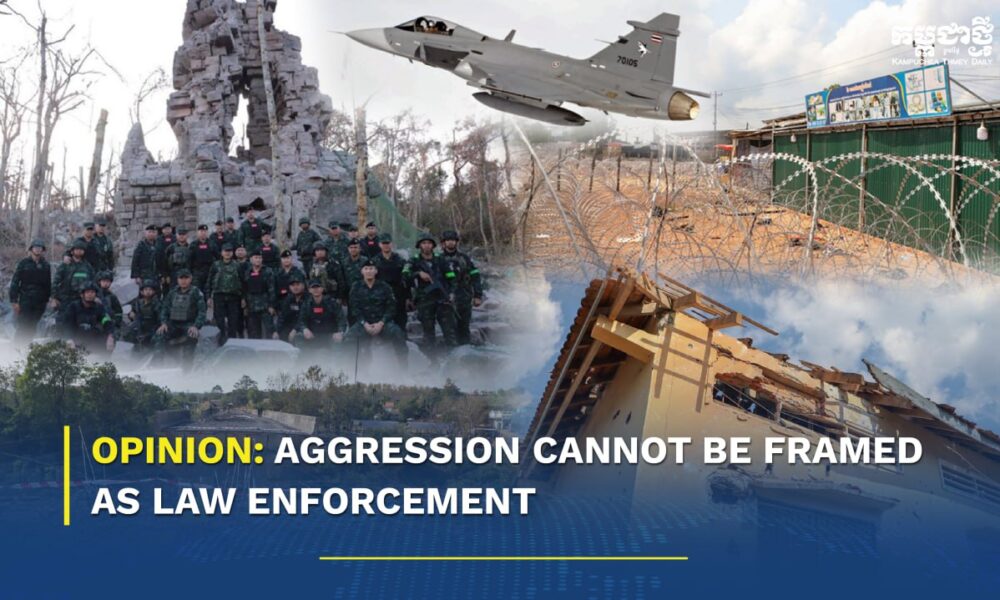
Opinion: Aggression Cannot Be Framed as Law Enforcement
As a Cambodian lawyer, I approach the current situation between Cambodia and Thailand with concern, not only as a citizen, but as a legal professional committed to the rule of law, regional stability, and the principles that govern relations between states. It is from this perspective that claims characterizing Thai military actions as a campaign against transnational scams warrant careful scrutiny.
If actions were genuinely confined to criminal law enforcement, they would be conducted through established mechanisms of cooperation, including joint investigations, mutual legal assistance, extradition, and coordination between civilian authorities. They would not involve the deployment of armed forces, the use of heavy weaponry, or operations that disrupt civilian life and damage public infrastructure across an international border.
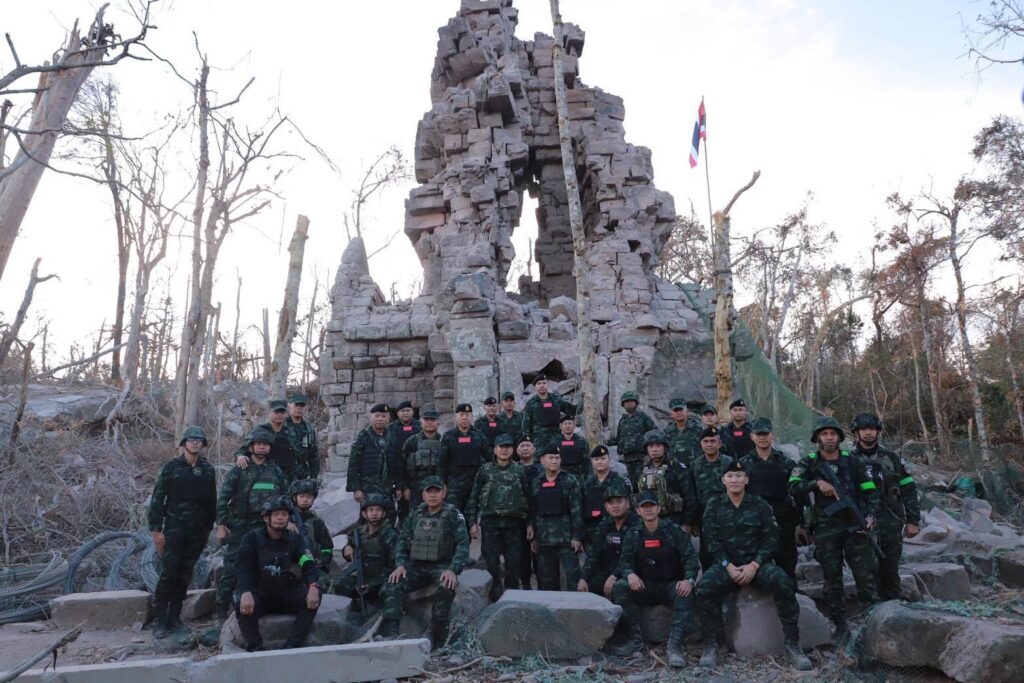
In recent weeks, military activity has been reported in multiple Cambodian provinces, including areas located well within Cambodian territory and far from the Thai–Cambodian border. These include aerial bombardments in Battambang Province, including the Phnom Sampov area, as well as airstrikes in Srey Snom District of Siem Reap Province, an area near the Angkor temple complex. Military activity has also occurred in the vicinity of the Preah Vihear Temple, a site of exceptional cultural, historical, and religious significance. The use of air power in or near civilian areas and internationally recognized cultural sites cannot reasonably be characterized as law enforcement.
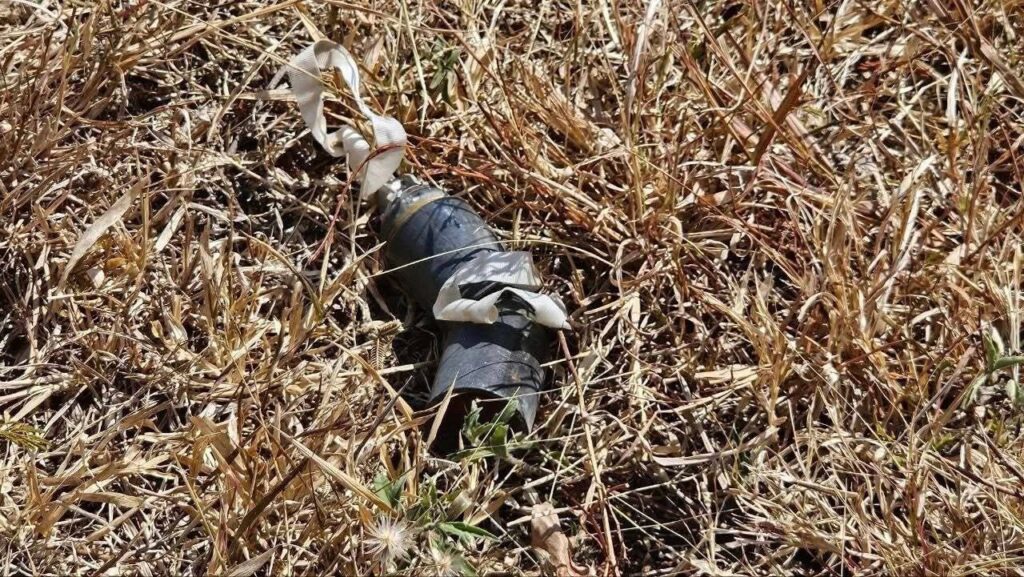
In addition to conventional military operations, there have been deeply concerning reports suggesting the possible use of toxic or incapacitating gas during military engagements. While such claims require independent verification, even the allegation of chemical or poisonous agents being deployed is serious. If confirmed, such conduct would constitute a grave violation of international law, including the Chemical Weapons Convention, and would fall entirely outside any lawful security or policing framework. These reports underscore the need for transparency and impartial investigation.
These developments must also be viewed in the context of political rhetoric. Public statements by senior Thai officials, including references to long-term deterrence and the weakening of perceived security threats, frame the situation in strategic and military terms rather than as a matter of criminal justice. When military action is accompanied by such language, it becomes increasingly difficult to sustain the claim that the operations are purely defensive or law-enforcement based. International law is clear on this point.
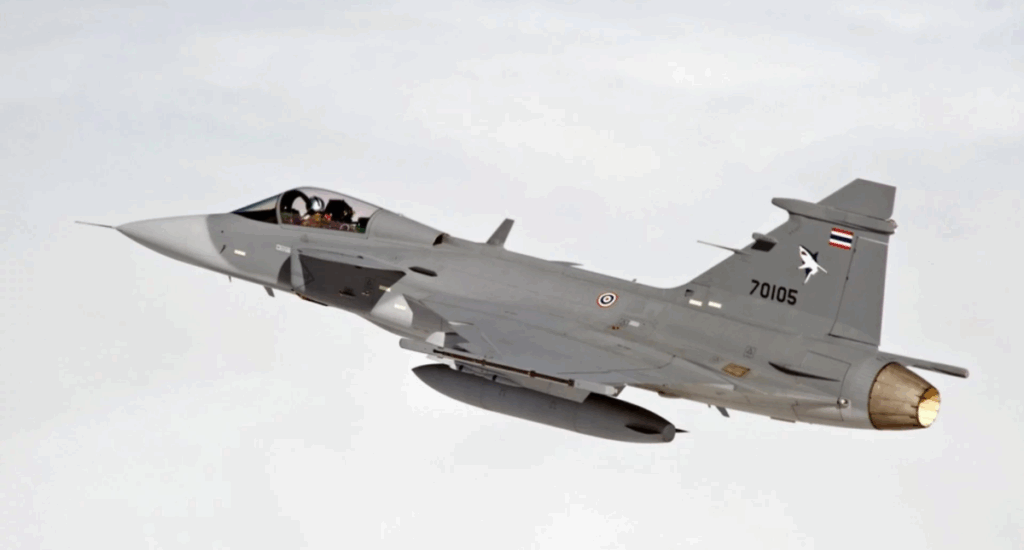
Allegations of criminal activity within one state do not grant another state the right to use force, conduct military operations, or occupy territory. No legal doctrine permits armed intervention on the basis of suspected crime. Even where transnational criminal networks pose genuine challenges, the appropriate responses remain cooperation, legal process, and respect for sovereignty.
As members of ASEAN, both Cambodia and Thailand are bound by shared commitments to sovereignty, non-interference, and the peaceful resolution of disputes. Cambodia is a sovereign state with functioning institutions capable of addressing criminal activity within its territory. Allegations of scams do not diminish Cambodia’s legal status, nor do they justify unilateral military action by a neighboring state. ASEAN’s credibility depends on adherence to these principles, particularly during periods of tension.
Raising these concerns is not an attempt to inflame or escalate the situation. It is an effort to clarify legal realities. Actions involving air power, damage to civilian infrastructure, and the exercise of control over territory — especially areas inhabited by civilians — cannot be reconciled with established frameworks for cooperative crime prevention.
Cambodia remains committed to peace and regional stability. That commitment rests on restraint, dialogue, and mutual respect under law, not on arrangements that require one state to accept prolonged insecurity to reassure another.
If Thailand maintains that its actions constitute a campaign against criminal scams rather than a confrontation with Cambodia, this claim must be demonstrated through conduct consistent with law enforcement and international cooperation. Continued military operations, territorial control, and the use of force cannot be credibly characterized as policing measures.
Under international law, prolonged military presence and sustained use of force transform stated intentions into demonstrable acts. In the absence of withdrawal and a return to lawful, cooperative mechanisms, claims of a purely anti-crime operation cannot be sustained.
Mr.Panhavuth Long, Lawyer, PAN & Associates Law Firm


