National
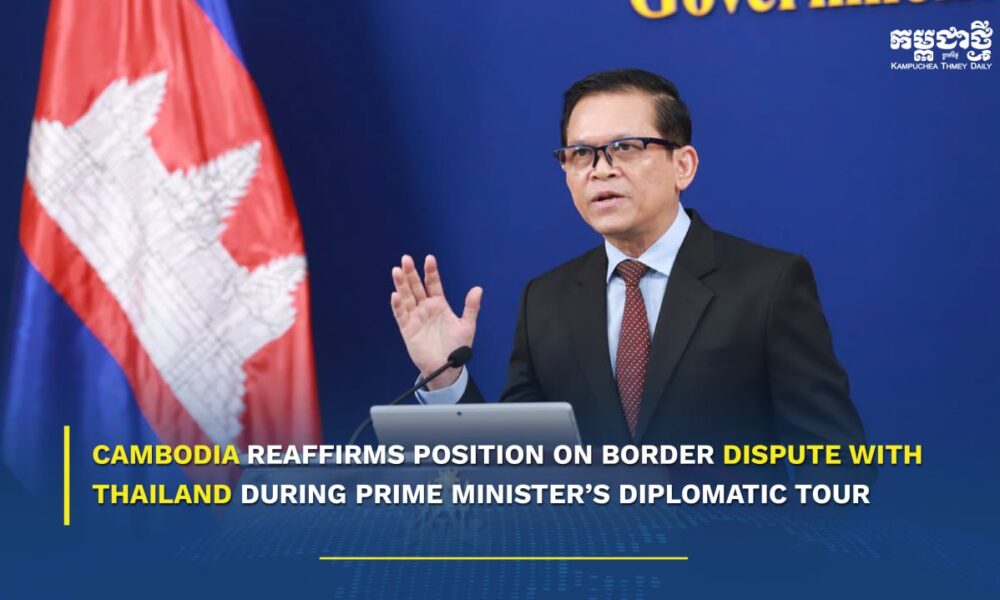
Cambodia Reaffirms Position on Border Dispute with Thailand During Prime Minister’s Diplomatic Tour
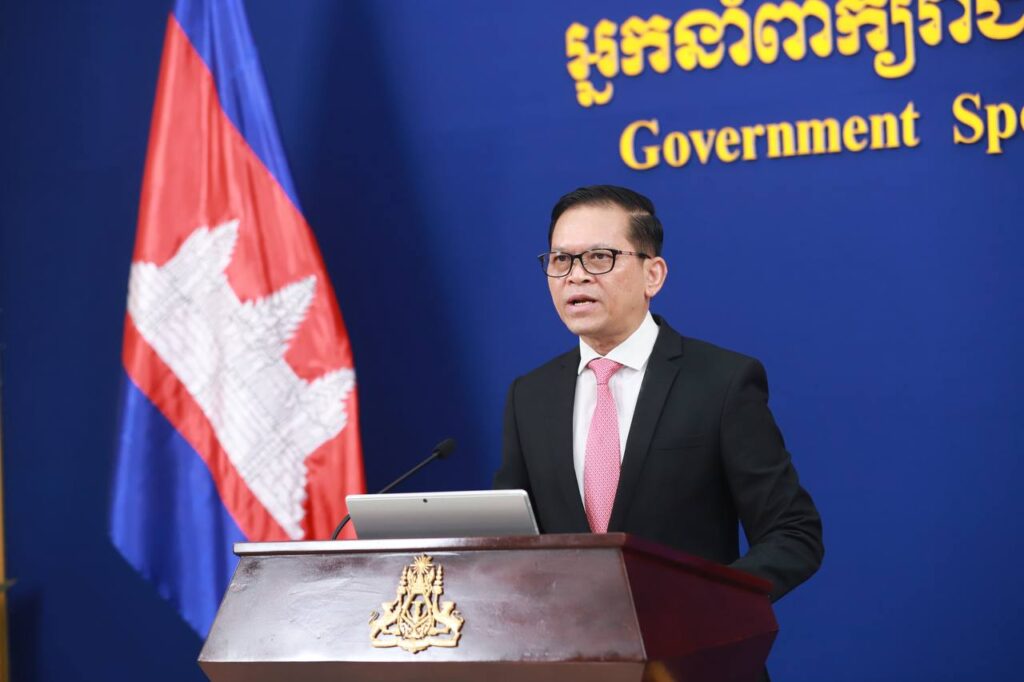
PHNOM PENH, 19 February 2026 (KPT) – Cambodia has reiterated its stance on the border dispute with Thailand following Prime Minister Hun Manet’s diplomatic visits to the United States and Europe.
Government spokesperson Pen Bona said the prime minister used meetings with international leaders and media interviews to underline Cambodia’s commitment to a peaceful resolution.
His tour included stops in Geneva, Brussels and Washington, where he met senior U.S. officials, European leaders, and attended sessions of the Board of Peace.
Hun Manet stressed that Thai armed forces continue to occupy Cambodian territory, in some cases extending beyond agreed demarcation lines.
Barricades and containers have reportedly prevented Cambodian civilians from accessing their homes, displacing around 80,000 people.
“The prime minister raised these issues not as accusations but as statements of fact,” Bona said.
Cambodia’s position, he added, is that while Phnom Penh has never violated another country’s territory, it cannot accept infringements on its sovereignty or unilateral changes imposed by military force.
The government continues to call for joint surveying and negotiations under existing treaties and agreements.
“Cambodia hopes Thailand will allow the Joint Border Commission to resume work, which was delayed due to elections, to reduce tensions and allow civilians to return home,” Bona said.
He noted that ASEAN observers, foreign diplomatic missions, international organisations, media outlets and local residents have verified the situation on the ground.
Protecting Cambodia’s territorial integrity, he stressed, remains a top government priority.
“This is not rhetoric but a firm commitment, demonstrated through active diplomacy and repeated proposals for technical teams to survey the border promptly,” Bona said.
Cambodia continues to adhere to the ceasefire and all points of the joint statement signed on 27 December 2025.
The government insists that any unilateral alteration of the border through force is unacceptable and calls for respect of historical treaties, international law and previous agreements.


